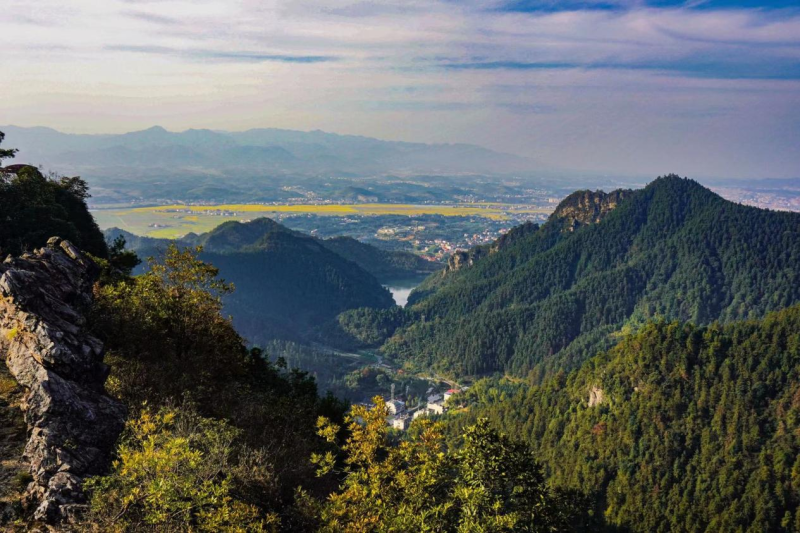
Mountain Climbing
Introduction
Mountain climbing, an age-old activity that involves ascending mountains using various techniques, is an exhilarating pursuit that combines physical challenge with the allure of nature's majesty. It has evolved from an essential survival skill in ancient times to a popular recreational activity and sport today. This activity encompasses a wide range of climbing types, including rock climbing, ice climbing, and mountaineering, each offering its own unique set of thrills and challenges. Mountain climbing is not only a test of physical endurance and skill, but also a mental and emotional journey, often involving overcoming personal fears and embracing the unpredictable forces of nature. As climbers ascend to great heights, they are rewarded with breathtaking views and a profound sense of achievement.
History
The history of mountain climbing dates back to ancient times when climbing mountains was primarily for survival, exploration, and trade. In some cultures, mountains were thought to be the abode of gods, and climbing them was seen as a religious or spiritual act. For instance, the ancient Chinese revered mountains as sacred places associated with immortality and spiritual enlightenment. Over the centuries, these awe-inspiring natural formations have been a source of inspiration for artists, poets, and philosophers.
Techniques and Equipment
Climbing Techniques
Mountain climbing involves various techniques that are tailored to the specific challenges of the terrain. Rock climbing, for example, requires skills such as belaying, lead climbing, and rappelling. Climbers must be adept at reading the rock face, finding handholds and footholds, and maintaining balance and control. Ice climbing, on the other hand, involves using ice axes and crampons to ascend frozen waterfalls or ice-covered mountains. This technique demands a keen understanding of ice conditions and the ability to place protection devices securely.
Mountaineering, which often combines elements of rock and ice climbing, requires a broad set of skills, including navigation, route finding, and avalanche awareness. Climbers must be able to adapt to rapidly changing weather conditions and make critical decisions in high-stress situations.
Essential Gear
The right equipment is crucial for a successful and safe mountain climbing experience. Essential gear includes climbing ropes, harnesses, helmets, and a variety of protection devices such as cams, nuts, and ice screws. Climbers also rely on specialized footwear, such as rock climbing shoes or insulated mountaineering boots, to provide traction and support on different surfaces.
Other important items include layered clothing to regulate body temperature, a backpack to carry supplies, and a first aid kit for emergencies. For high-altitude climbs, climbers may also need oxygen tanks, acclimatization equipment, and specialized tents and sleeping bags designed for extreme conditions.
Safety Measures
Safety is a paramount concern in mountain climbing, and climbers must take numerous precautions to mitigate risks. This includes thorough planning and preparation, such as researching the route, assessing weather conditions, and ensuring that all gear is in good condition. Climbers should also be trained in first aid and rescue techniques and be prepared to deal with injuries, altitude sickness, and other emergencies.
Climbing with an experienced partner or guide can greatly enhance safety, as can the use of communication devices to stay in touch with team members and emergency services. Lastly, climbers should always adhere to the principles of Leave No Trace, minimizing their environmental impact and preserving the natural beauty of the mountains for future generations.
Types of Mountain Climbing
Rock Climbing
Rock climbing is a popular type of mountain climbing that involves ascending rock faces using hands, feet, and climbing equipment. It can be practiced indoors on artificial climbing walls or outdoors on natural rock formations. There are several sub-disciplines within rock climbing, including bouldering, sport climbing, and traditional (trad) climbing. Bouldering is performed on short routes without the use of ropes, emphasizing strength and technique. Sport climbing involves climbing bolted routes with pre-placed anchors, while trad climbing requires climbers to place their own protection as they ascend.
Rock climbing is not only a physical challenge but also a mental one, as climbers must solve complex problems and overcome fear. It is a sport that promotes physical fitness, concentration, and a deep connection with nature.
Ice Climbing
Ice climbing is a thrilling and challenging type of mountain climbing that involves ascending ice formations, such as frozen waterfalls or glaciers. It requires specialized equipment, including ice axes, crampons, and ice screws, to provide traction and security on slippery surfaces. Ice climbing can be dangerous due to the risk of falling ice, avalanches, and rapidly changing weather conditions.
Ice climbers must possess strong technical skills, including the ability to assess ice quality, choose the best line of ascent, and manage rope systems efficiently. This type of climbing is often practiced in alpine environments, where climbers must also contend with altitude and cold temperatures.
Mountaineering
Mountaineering, also known as alpinism, is a comprehensive form of mountain climbing that involves traversing a variety of terrains, including rock, ice, and snow. It often requires a combination of rock climbing and ice climbing skills, as well as knowledge of navigation, weather forecasting, and avalanche awareness. Mountaineering expeditions can range from single-day climbs to multi-week journeys, often involving high-altitude peaks and remote locations.
Mountaineering is both a physical and mental challenge, demanding endurance, resilience, and adaptability. Climbers must be prepared for rapidly changing conditions and make critical decisions to ensure their safety and success. Despite the inherent risks, mountaineering offers a profound sense of accomplishment and a unique opportunity to experience the beauty and solitude of the world's most majestic landscapes.
Environmental Impact
Conservation Efforts
Mountain environments are fragile ecosystems that are increasingly threatened by the impact of human activity, including mountain climbing. To mitigate these effects, conservation efforts have been implemented worldwide to protect and preserve these unique landscapes. National parks and protected areas have been established to manage and regulate climbing activities, ensuring that they are conducted in an environmentally responsible manner.
Initiatives such as waste management programs, habitat restoration projects, and awareness campaigns aim to reduce the environmental footprint of climbers and promote sustainable practices. Organizations like the Leave No Trace Center for Outdoor Ethics advocate for minimizing human impact on natural environments, encouraging climbers to adhere to principles that protect the integrity of mountain ecosystems.
Sustainable Climbing Practices
Sustainable climbing practices are essential for preserving the natural beauty and ecological balance of mountain regions. Climbers are encouraged to follow guidelines that minimize their impact, such as packing out all waste, avoiding sensitive areas, and using established trails to prevent soil erosion. Additionally, climbers should respect wildlife and vegetation, refraining from disturbing or removing natural features.
By promoting responsible climbing practices, the mountaineering community can help ensure that future generations have the opportunity to experience and appreciate the world's majestic peaks. Education and awareness are key components of these efforts, with many climbing organizations offering training and resources to help climbers reduce their environmental impact.
Cultural Significance
Mountain climbing has deep cultural significance in many societies, often intertwined with traditions, rituals, and spiritual beliefs. In some cultures, mountains are seen as sacred places, revered as the home of deities and ancestors. Climbing these peaks can be a form of pilgrimage, offering spiritual fulfillment and a connection to the divine.
Throughout history, mountains have also been associated with myth and legend, serving as the backdrop for epic tales and heroic feats. In China, for example, the Five Sacred Mountains have been revered for centuries, with pilgrims and emperors making journeys to their summits as acts of devotion and reverence.
Mountain Climbing as a Sport
Competitions
Mountain climbing has evolved into a competitive sport, with climbers from around the world participating in events that test their skills, strength, and endurance. Competitions such as the International Federation of Sport Climbing (IFSC) World Cup series and the X-Games feature events like speed climbing, lead climbing, and bouldering. These competitions attract top athletes and showcase the sport's dynamic and exhilarating nature.
In recent years, climbing has gained recognition on a global scale, culminating in its inclusion in the Tokyo 2020 Olympic Games. This milestone has further elevated the sport's profile and inspired a new generation of climbers to pursue their passion at the highest levels.
Training and Preparation
To excel in mountain climbing, athletes must undergo rigorous training and preparation, focusing on building physical strength, flexibility, and endurance. Climbing-specific exercises, such as fingerboard workouts, campus board drills, and bouldering circuits, help climbers develop the skills and strength needed to tackle challenging routes.
Mental preparation is equally important, as climbers must be able to focus, solve complex problems, and manage fear and anxiety. Visualization techniques, mindfulness practices, and goal setting can help climbers build mental resilience and confidence.
Nutrition and recovery are also key components of a climber's training regimen, ensuring that they have the energy and stamina to perform at their best. A balanced diet, adequate hydration, and proper rest are essential for maintaining peak physical condition and preventing injury.








